Monday, February 8, 2016

Shearing Shed Details

 
Shearing Sheds need a pen to hold the sheep about to be shorn. This has a gate that swings both ways so that the shearer can enter the pen, catch and drag out a sheep while the door swings closed. The photo below shows the pen and doors in an abandoned shearing shed near to Opportunity Farm.
 
 
Our shed only needs to cater for a small number of sheep. Our pen can hold about five while more can be brought in through the door via a ramp at the back of the shed. The pen is constructed from materials from the abandoned shed. 

 
The floor of the pen is slatted which allows the urine and the excrement from the sheep to fall to the ground beneath the shed while being solid enough that the sheep don't get their hooves stuck in the gaps.

 
Once the sheep has been dragged out of the pen the floor of the shed where the shearer shears the sheep has to be smooth and solid to ensure that the fleece and other sections of what is shorn can be swept up and that the wool does not catch on rough surfaces. This floor has to be easily and regularly swept so I have used a variety of pine and hardwood tongue and groove flooring. It was not easy to put together as the grooves didn't match, the flooring was a variety of sizes and because the shed is not square the shape of each piece near the edge was unique. 

 
This is the board of our shed. A couple of the planks are darkened as they were rescued from a house that was badly damaged by fire and the flooring coated in soot and ash. Still it all has a new home and a new lease of life.

Friday, February 5, 2016

Making Pasta and Tomato Sauces

 
There are plenty of tomatoes ripening this week so it was time to make sauce.
 
Firstly some Tomato sauce or Ketchup. We use a recipe from Sally Wise's fantastic book for preserves called "A Year in a Bottle".
 
6kg tomatoes
1kg onions
750g sugar
2 cups vinegar
120g salt
1.5 tbsp. whole cloves
1.5tbsp allspice berries
0.5 tsp cayenne pepper
 
All the ingredients were boiled up and cooked for 4 hours. The mixture was then whizzed with the processor stick, strained through a sieve and boiled again before pouring into warm bottles that had been sterilised in the oven for 20 minutes.
 

The tomato sauce mixture is on the right. The large pot is for the pasta sauce. With this we have no exact recipe. Some oil, onion and garlic is sautéed first, then zucchinis or other excess vegetables are roughly chopped and added before the tomatoes are added. This is boiled up until mostly liquid, pureed with the stick and then bottled in jars. This large saucepanful filled 18 375g jars which is nearly 7 litres of sauce. Last year we made about 90 jars and ran out a week before the first jar of this season was made.
We use it on pasta, in meatballs, on pizzas and it provides a rich and tasty sauce all year.
 
A variety of tomatoes ready for the pot. It doesn't matter if some are salad tomatoes, beef tomatoes or cherry tomatoes. They all go in.


Tuesday, February 2, 2016

Harvest haul


It is that time of year when the plants are producing as fast as you can pick. The Gravenstein apples are falling, the peaches going soft, the tomatoes red and the zucchinis large. There is an excess of cucumbers, a culling of basil leaves and a sprouting of silverbeet.

Tomorrow there is tomato sauce, spaghetti sauce and pesto to make. The pigs have plenty to munch on and the pantry is full of apples.

All is well with the world of Opportunity Farm.

Monday, February 1, 2016

Spinning up a Yarn at the Shearing Competition

 
Our local town hosted a shearing competition as part of a commemorative weekend of events. To do this they erected a huge marquee and under it built a six stand shearing platform complete with lights and shearing plant, wool table and press.
One of the committee had the bright idea of trying to turn some of the wool shorn into a wearable product in the course of the day. They needed a spinner - Michelle.
We needed our five non-shedding sheep to be shorn. A deal was made. If our sheep were there at the start they would shear them and give us the fleeces. (It is very important not to put coloured wool in with the standard white). Then it was up to Michelle and friends to demonstrate how they did it in the 'old days'.
 
 
Cilla (the Black sheep) and Shaun (the white Dorset) being shorn.

 
Daisy ready for her trim.

 
Harriet (the spotty Merino) and Cilla after shearing.


Robert remembering how well his grandmother taught him to spin with eager watchers.

Those spinning and knitting managed to make about half a jumper in the day and could have done a fair bit more if they hadn't enjoyed sharing knowledge with so many interested visitors. If there is a next time they will be a bit more prepared and may make something less ambitious!

Growing Piglets

Target, Beaubeau and Sir Oinkers arrived at Opportunity Farm a month ago. They are happily ensconced in their pen where they dig up tussocks that we don't want and replace it with manure-strewn soil which we cast grass seed over.

They have been eating a mix of garden and kitchen scraps, leftovers from the local café, fallen fruit and pig pellets. Their feeder is made from a small gas bottle cut in half lengthways. While this is sturdy and a suitable size in previous years there have been two problems. It collected water (and then rusted) and the pigs could push the metal feeder up against the electric fence and make their food 'live'. This year I have drilled holes in the base and also screwed longer 'legs' to it so that it doesn't move. So far all has gone well.

The weaners have doubled in size in a month. The plan is to have them up to 70kg by the end of April.

Sunday, January 31, 2016

Finding what we need for the Shearing Shed

 
Our Shearing Shed is almost entirely made from materials recycled from sheds no longer in use and collapsing from old age. Our main source was a shed which had all the internal parts removed leaving a shell that had no integrity and started to fall over. Some of the rusting but solid tin from this shed has now been fixed on three sides of our 'new' shed but we lacked some of vital fittings.
 
Today we hit the jackpot and found a dying shed on a neighbouring property. Some of the roof was missing and it was starting to lean. 
 
 
Despite the dilapidation there was a wool table in decent condition and plenty of internal panelling and gates. For our five sheep we only need two short lengths of wall panels and one gate.


The internal panelling waiting to be removed and rebuilt for a second chance at life.
 

Last year Michelle tried to buy a wool table at a clearing sale but it went for an astronomical price. As she had waited all day with a bunch of hot and bored kids she bid high but in vain. Sometimes the solution is under your nose and only takes a bit of asking the right questions to the right people. We had a great score and the satisfaction of knowing that a piece of local history gets a chance for a new life.

Tuesday, January 19, 2016

How to make and set a trap for Codling Moths


Codling Moths can be a real problem in an organic apple orchard. Their larvae burrow their way into the heart of the apple and it rots from the inside out.


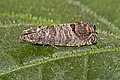
An adult codling moth (ref: Wikipedia)
 
 
The damaged apples
 
I am not sure whether we have an infestation of codling moth but rather than wait to be certain either way I decided to lay some traps. First I made sure that I had:
Vinegar
Ammonia
Molasses
Water
Then I cut some 2litre plastic bottles in half. Each half was punctured on both sides and a piece of builder's string was tied through each hole.


The mixture consists of 5 cups water, 1/3 cup of molasses, 1/8 tsp ammonia and 1 cup of vinegar.
 
 
I made three times the mixture and this made plenty for my six traps.

 
One of the traps set in the orchard. I will check next week to see if we have caught anything.


Wednesday, January 13, 2016

Harvest Time begins

 
The planting and growing season has turned into the season of harvesting and processing. Some plants such as asparagus, the berries and currants have already been picked but there comes a point when the summer crops start to produce in volume and the fruit on the trees begins to ripen. From now for the next couple of months there is always plenty to pick and if I don't keep on top of it there will be wasted food.
The pigs do well in this season as they can gorge on the fallen or damaged fruit and the excess vegetables such as zucchini and Jerusalem artichoke.
 
 
The Gravenstein apples are always the first to ripen. A couple were ready but there were plenty of fallers on the ground. The bruised or chewed ones will go straight to the pigs while the unblemished will go in the pantry for later. Apples, unlike pears and many other fruit, do not ripen off the tree but they can be used to make cider or pork later.

 
The first tomatoes are ripening and the lower branches need to be snipped off to allow the air to get to the fruit. Many plants are almost up to the net roof.

 
The zucchinis, squash and pumpkins are vying for space and are climbing the walls to reach the light. While our vegetable garden is caged, the birds normally do not attack the vines unless they are really desperate.

The busiest time of year at Opportunity Farm begins.
 

Tuesday, January 12, 2016

An Early Entry for the Show


This year I planted some seeds of a pumpkin variety called 'World's Largest'. I thought it might provide a few entries for the kids in the Biggest Pumpkin Competition at the local show in March.
It is certainly an apt name as this pumpkin grew so large so quickly that it broke off its vine. This is not surprising as it weighs about 25kg! There are two other fruits growing which have not reached such a size but are still attached. These now have supports underneath so will hopefully reach a fair size by the time they are needed.

Monday, January 11, 2016

Rafter Raising


The Shearing Shed/Workshop is now topped by nearly all of the rafters. These are round poles felled in the early 1950s and used to hold up the roof of the original shearing shed that I demolished. They are getting a new lease of life over sixty years later and help make our shed look authentic and old.

It wasn't easy to fix the rafters to the ridge pole as it stands over four metres from floor level but a temporary floor across the open side made it possible.

 
As the shed is definitely not square the end rafters will need to be carefully measured so that the tin fits. Roofing iron needs to be put on square or the edges start to get jagged.

Raising Weaner Piglets


For the last four years we have raised piglets. They are fattened up on fallen fruit, excess vegetables (pigs love zucchini!) and food scraps from the local café, supplemented with commercial pig pellets when times are lean.
After Christmas I fetched three piglets from Cobargo Farm - an organic nursery and piggery a couple of hours away. They used to have an Old English Black boar and so a few of their piglets sport black patches. The Black pigs do not get sunburnt so they suit an outdoor pen in Australian summer.
 
 
We have two male piglets which have been named Sir Oinkers and Beau, while the female piglet is called Target due to the large round black patch on her behind. In the photo they are feeding while
Posy and Queenie look on enviously.


Beau, Sir Oinkers and Target enjoying the bolted lettuce from the garden. They will live a life of Reilly for the next five months or until they reach about 70kg.

Sunday, January 10, 2016

Summer Pursuits

When the heat of summer hits and there is space between the social gatherings of the season there are plenty of summer pursuits to be followed:
 
 
Watering the garden

 
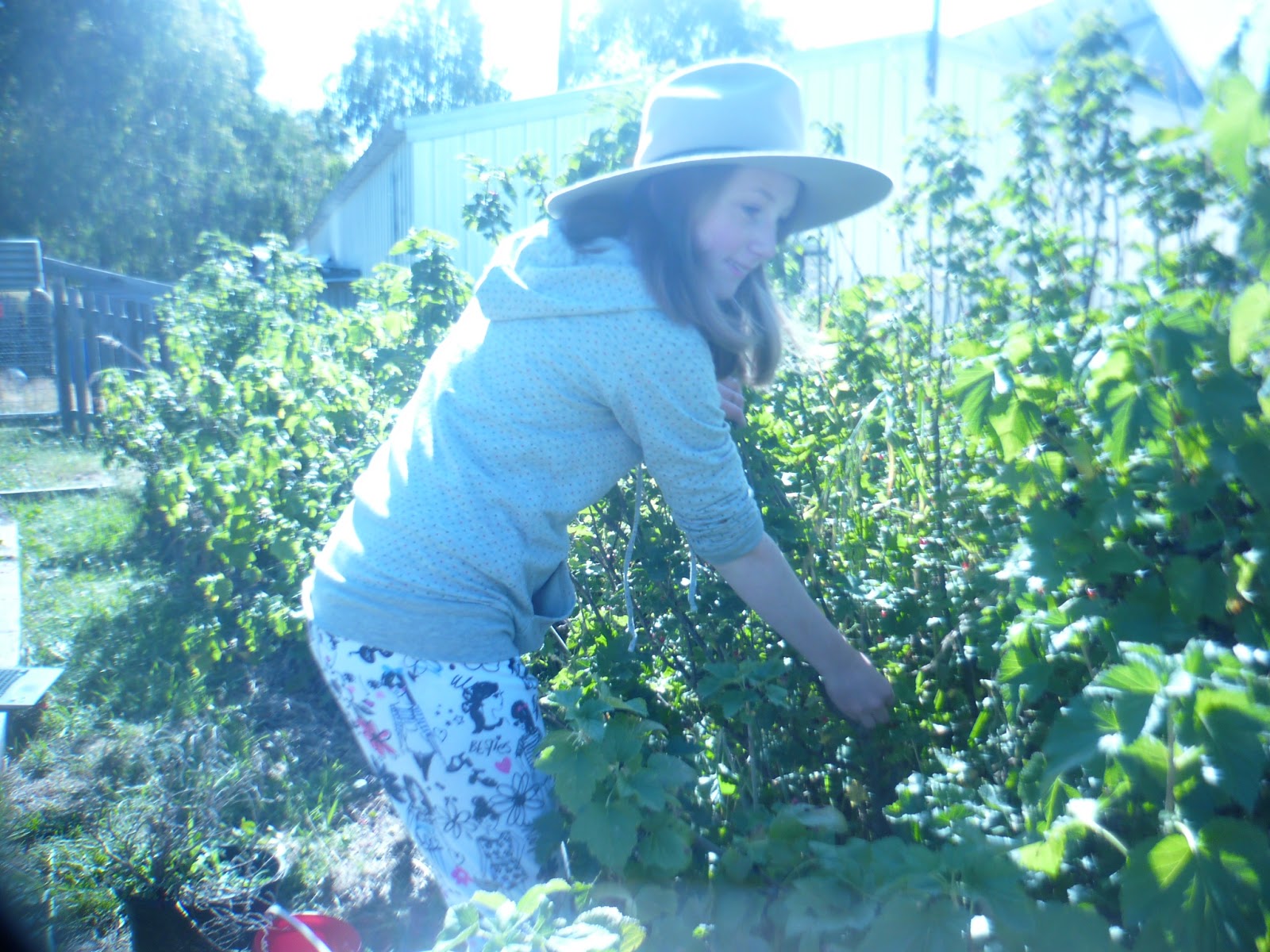
Harvesting the blackcurrants

 
Turning the redcurrants into jam

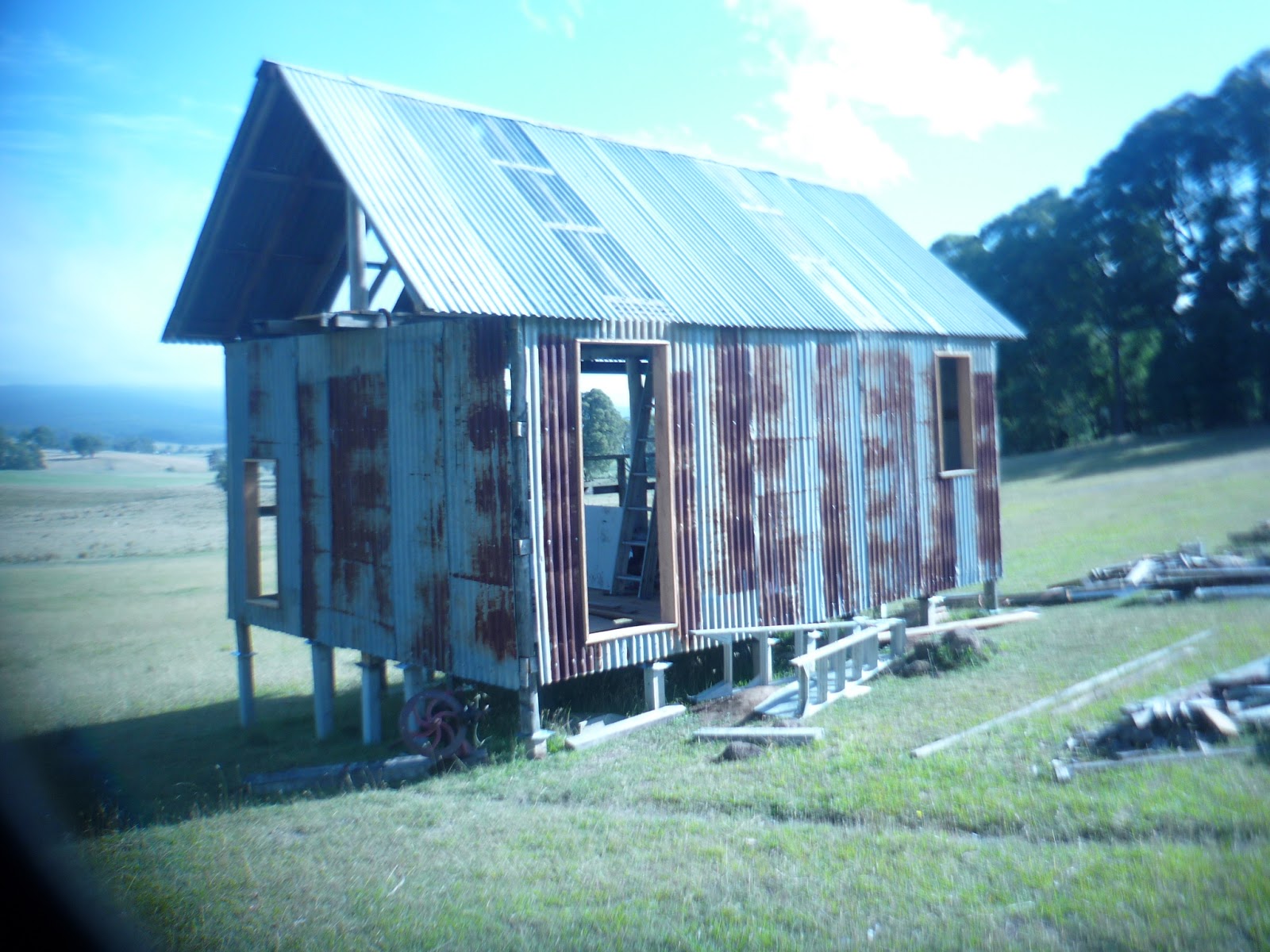
The Shearing Shed/Workshop Takes Shape

After several months of being too busy to make progress on the new shed it was time to get stuck into it. Helpers were organized and materials and tools readied.
Then it started to rain. Three days later it dried up enough to allow work to commence. The walls needed the framing completed. Downstairs there are four windows, two doors and a chute that have to be framed with all the timber notched into the round pole posts. While that was happening our willing wwoofer was screwing down the flooring. This might have been an easy task if the building was square and the timber the same size. Some planks had dried more at one end so they were a centimetre thinner than the other end. A large triangle piece was added to assist with making the floor squarer and the planks alternated to reduce the impact of the unequal drying. It looks good but the whole floor will need to be lifted and moved to reduce the gaps caused when the planks shrink fully. Hence the flooring screws rather than nails.

 
The upstairs flooring is cut and fixed.

The upstairs flooring is seasoned planks from the old shed we pulled down so it was much easier to lay them down and nail them. This gave a platform to work on the ridge pole. The three round poles were not quite tall enough to allow movement upstairs so an extension was fitted on each pole before the ridge pole was fitted. The next job will be adding the rafters.
The end walls were both sheeted with iron and the hole for the chute was cut out with the angle grinder. Progress at last!
 
The recycled tin being screwed on to the end walls.


The shed as at 9th January.

Tuesday, December 29, 2015

New Blood

 
At Opportunity Farm we keep goats. They are an eclectic mix of dairy and meat breeds. A smattering of Saanen, a dash of Toggenburg, some Australian Brown and decent dose of Boer. The chief buck was, until this winter, a diminutive but easy going Boer called Cedric. He happily wooed his girls with the usual goat etiquette of curled back lips and peeing on himself. He fathered several generations on our farm and even attracted other people to drop off their does for his servicing.
This winter Cedric failed to do the deed with one such doe. We started to worry and soon enough Cedric was staying in the shed longer and sitting down more regularly. By the time the vet was called he was in the final stages of cancer and succumbed despite the best efforts of the local James Herriott.
 
So that only left Curly, our mongrel dairy buck. He is closely related to many of our does so is less 'useful' as a prospective parent. So we needed some new blood. A conversation with a new friend revealed they had a paddock full of little Boers and hadn't yet used the emasculator to render them infertile.
Can they keep one for us? Of course. For a very small fee we have a new Boer buck. We think of Dutch names such as Johann, Pieter and Meindert. Hans seems more appropriate and can even be elongated to Hans-some.
So if he can survive Curly and pack on some pounds then next year he might start fathering some more meat goats.
 

The Tools for the Forge

Christmas is over and the present wrappings are in the bin. My special present didn't come down the chimney or on a magic sleigh. It arrived on the back of a trailer.
One very old and exceedingly heavy anvil and a homemade forge - the best sort of second-hand goods. Having spent a weekend at Mother Mountain Forge at Dignam's Creek I am keen to have a go myself.
Stage One - gather the tools.
Stage Two - construct a lean-to as a forging place.
Stage Three - collect or make charcoal.
Stage Four - Fire her up and see what happens.
 
So the first step to making metal bend is completed and plans are afoot for the second one.


Monday, December 7, 2015

Late Frost - A Tale of Two Gardens


 November 28th - Two days until summer. Rising to milk the cow a little after six am I am greeted by a white tinge on the grass. I check the garden and all the plants are coated in a thick layer of frost. As the sun is reaching over the mountain I am pouring water on the tomatoes, basils, pumpkins and zucchinis. The convenient hose is no use as the water inside has frozen so it is lots of trips to the tap with the watering can. Too little too late. Within hours the leaves were withering and turning black.
The potatoes didn't look too happy but enough lower leaves survived. The grapes were hit and even the lavender was knocked back.
November 30th - 34 degrees!
December 2 - Woke to a snowstorm that lasted for an hour!

 
Frosted Potatoes
 
 
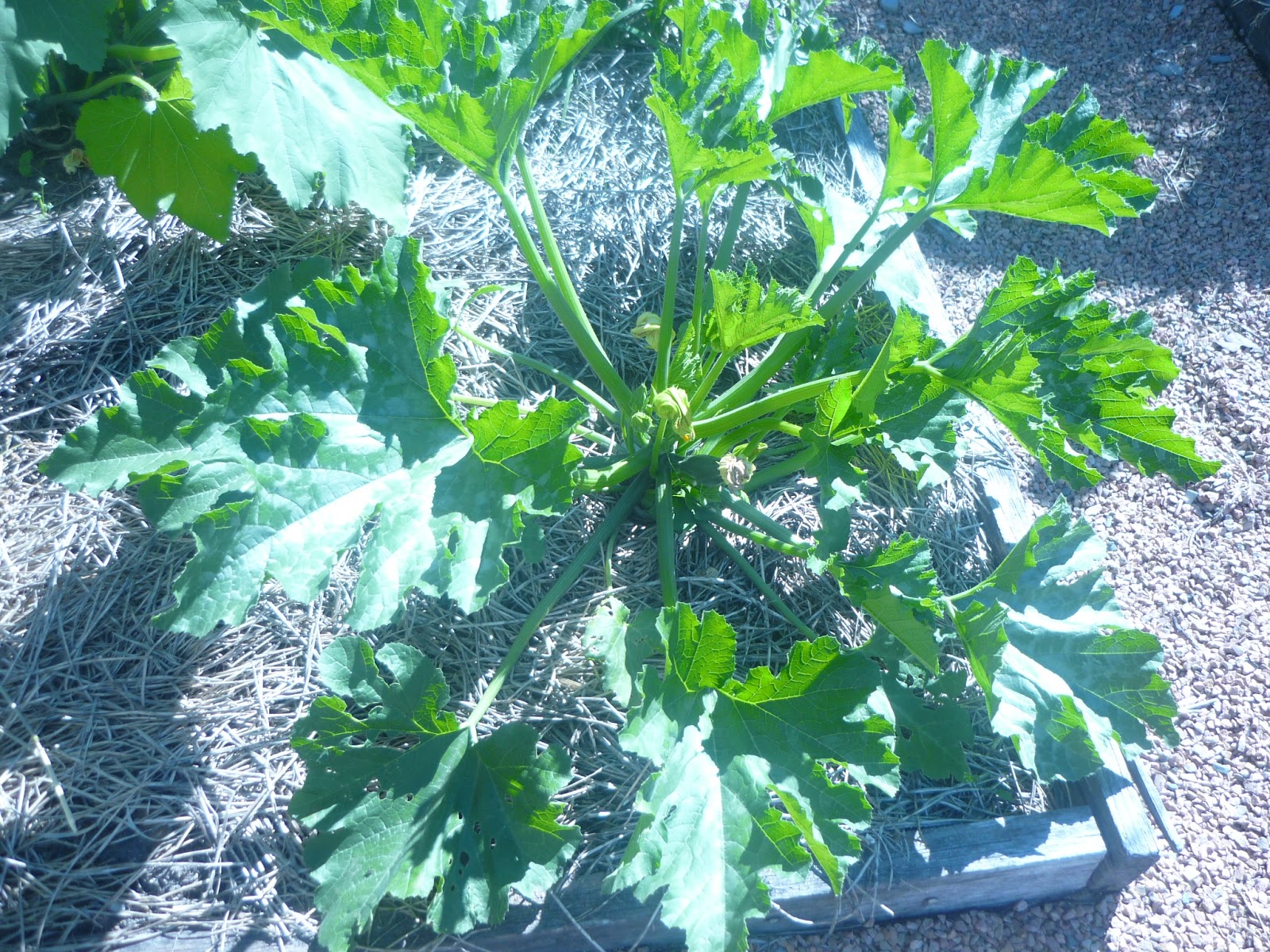
A very sorry looking zucchini
 
 
So the summer garden at Opportunity Farm is almost back to square one. Start again with more plants and even less chance of a decent harvest before we hit the next frost.
 
 
Luckily we have a back up. Our other garden is 600m lower in altitude. We have enthusiastic garden tenants to water and weed the plants and it is bursting with growth. The first tomatoes are close to reddening and we have already too many zucchinis.  


A raised bed with tomatoes, egg plant and capsicum.


Zucchinis galore just waiting for our piglets  

Tuesday, November 24, 2015

Genetic Diversity

 
Breeding animal 'bitsers' is always interesting and turns up lots of different shades and shapes.
 
 
This newborn buck is a very dark colour. His mother, Princess, has a Toggenburg mother and a Boer father. His father has a Saanen mother and an Australian Brown father. So far it is hard to tell who he takes after.

 
I have twelve Sussex chicks that I have incubating this Spring. Their three possible mothers are pure Light Sussex while of their three possible fathers one of them looks like a Light Sussex but has some genetic diversity which is shown by his orange legs rather than the pure bred grey legs.
Two of the dozen are brown not white, perhaps Buff Sussex. One other has a brown tinge. I am unsure whether these differences are made through interbreeding eg Sussex plus Isa Brown or through a genetic variation eg Buff Sussex.

 
This baby guinea pig has two brown parents (as shown in photo) but has come out mottled with a range of colours. In the last litter there was one black and white baby. Despite the danger of inbreeding with guinea pigs they do seem to throwback plenty of variation. 

Strawberries that the birds won't eat!


This year we have almost a whole bed of alpine strawberries.
 
 
These have lusher, greener leaves and a fruit that ripens white. They are smaller than most strawberries but just as delicious. The main benefit is that they do not attract birds, insects and even dogs that all love to guzzle on the red ones.


Definitely worth a try if you have a problem with garden pests. I have had a few of these plant for a while but this year they have really taken over so they obviously must propagate well.


Friday, November 6, 2015

Comet the Calf is Turning One.

A year ago I was lucky enough to check on Hailey, our Jersey cow, just as she gave birth to her first calf. She had been bred with a young Dexter bull so the calf was small enough for her diminutive frame. I sat with her for a while and watched all those milestone moments of standing up and latching on. It was a special moment and one of the highlights of having animals here on Opportunity Farm. We named her Comet - Hailey's Comet!

 
After three weeks I started to milk Hailey and since then we have been sharing her milk with Comet. Every morning she is let in after milking and she spends the day with her mother. In the evening when Hailey is called in for her feed, Comet is locked out. Most of the time she heads for the gate when she hears the call "Hup" but there have been a few occasions when she has needed a bit of chasing out.


She still loves her mother's milk and runs in for any leftovers after I have finished. Hailey is not only providing us with more than enough fresh milk for a family of seven but is helping to grow her calf. We don't have enough grass in winter for two cows with calves afoot so when Hailey is rested before her next calf we will send Comet off for her one bad day and fill the freezer with plenty of homegrown beef.

Tuesday, November 3, 2015

How to Make a Delicious Citrus Cordial

 
Spring may not be the season for most fruit to be harvested but there's often plenty of citrus needing to be picked. Having grabbed a bag of assorted lemons and oranges from our warmer bush block it was time to make some cordial. 
 
The ingredients:
24 citrus fruits
 6kg of sugar
4 tablespoons of citric acid.
16 cups of boiling water not shown!

Method:
The zest is roughly grated off the citrus and put in with the water and the citric acid.
The water is brought to the boil then all the sugar is stirred in until dissolved.
 
 
The juice is added and stirred in.

 
The mixture is left to cool; best overnight.

 
Recycled wine bottles are washed and then sterilised in the oven for about 20 minutes.

 
While the bottles are still warm, the mixture is strained through a sieve into a jug and then poured into the bottles. Sealed up, these bottles will last for a long time in the pantry. Once opened they need to be refrigerated to avoid some moulding on top.
 
Serve with water to taste and plenty of ice on a hot day.