Showing posts with label Tractor. Show all posts

Saturday, April 2, 2016

Ploughing with a Pig Tractor

We keep our three pigs - Target, Sir Oinkers and Bobo - in a twelve metre by six metre enclosure with an electric wire at nose height. Inside the pigs have a small house, some shade and an automatic waterer that gravity feeds from a tank attached to the well. Over a few weeks the pigs will plough up the patch the enclosure is on. When they are piglets it may take two months but when they are larger they can plough it up in a fortnight especially if it has been wet. The pigs have been in this area for just over two weeks are almost ready to be moved. 
 
 
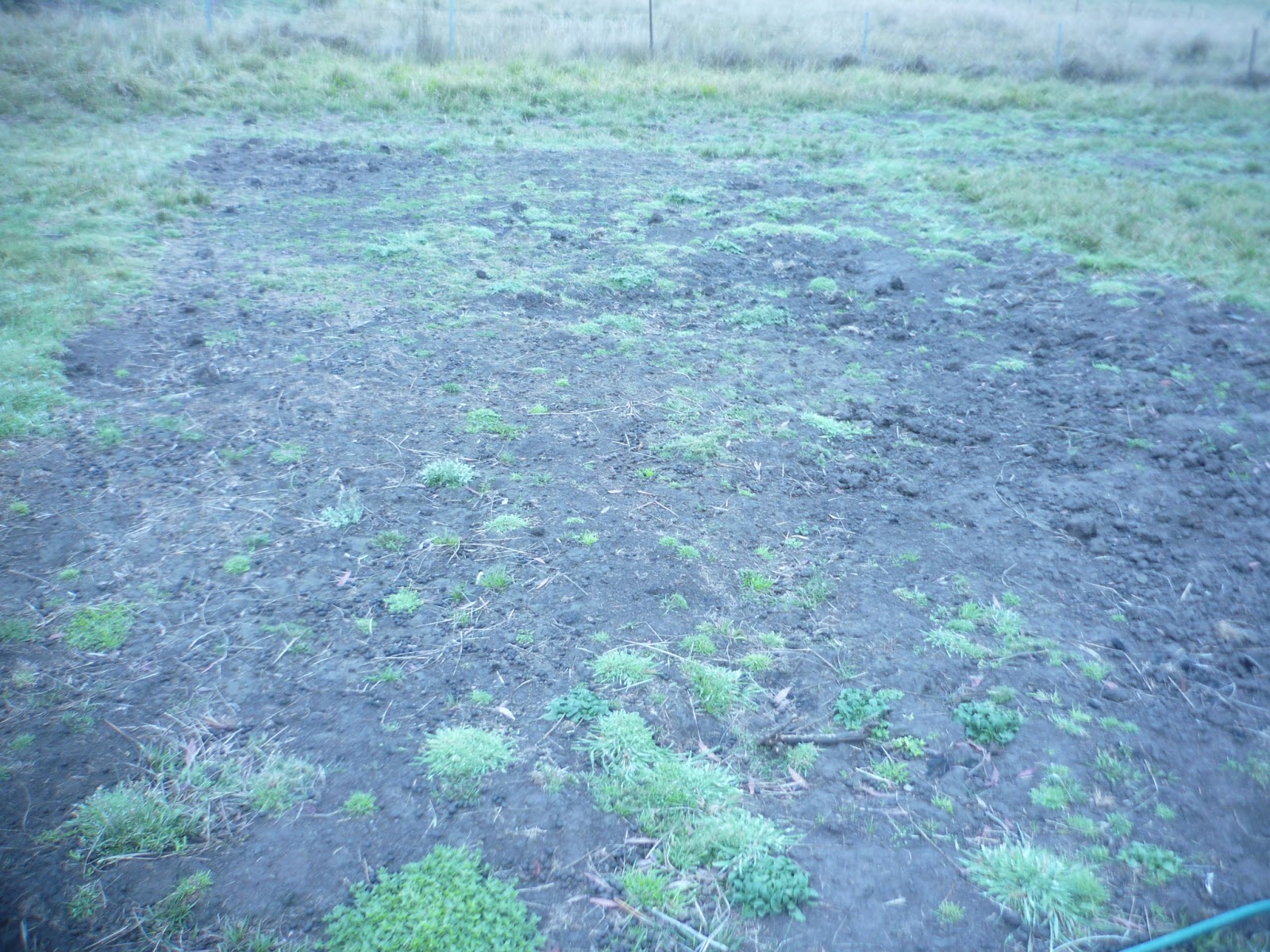
This paddock has a sedge type grass that is not very palatable, even to the goats that live in it. The pig tractor is designed to slowly replace this grass with sweeter varieties, both by improving the fertility and by physically removing the grass. The photo below shows the next patch to be ploughed up.

 
The patch below is the result of last year's pigs. We fatten them for about six months during summer and autumn when there is plenty of excess produce about. So it has been almost a year since the pigs were removed from this patch. The sedge has gone and the new grasses colonizing the area are much favoured by the goats. Often thistles will seed on the more compacted parts but the goats love them too. It is slow work to alter the vegetation one enclosure at a time but it works without the use of chemicals or tractor diesel.

Thursday, January 15, 2015

Slashing the Paddocks

When we purchased Opportunity Farm it came with a tractor. Not just any tractor but a Red Fergie! It has become Michelle's special joy to rumble about the paddocks at the pace of a Clydesdale.
In Spring and Summer our sheep are given small sections of our large front paddock to eat through. We keep them in by means of two portable roll-out electric fences. This is similar to the ideas of pasture management espoused so passionately by Joel Salatin. By restricting the area the sheep get to roam and chomp on, the rest of the paddock is left to grow and recover from the impacts of grazing. This improves the range of wild grasses that can thrive, increases the soil nutrients, reduces weed infestations and feeds the stock grass at its optimum fertility.
Unlike Joel, whose cows are moved daily we move our sheep about every fortnight into strips about 100m long and 40m wide. The front paddock is divided into seven of these strips and so far this season they are one section away from visiting each strip twice.
By this time of year the grass has seeded and can be quite tall. The sheep don't eat this tall brown grass by choice but would prefer the green clover that is still growing underneath. So we slash.
First the fence lines are slashed so the electric fence doesn't short out. Then when the sheep move on the vacated strip is slashed to let the new growth thrive.
After a successful day clearing blocked pipes and emptying a water tank of maggots and dead possums what better way to relax than sit on a Fergie and do some tractor work.